Garage Door Safety Tips Every Homeowner Should Know
Garage doors are one of the most frequently used entrances in many homes, making safety a top priority. While they offer convenience, garage doors also present potential hazards if not properly maintained and used with caution. To help you keep your home and family safe, here are some essential garage door safety tips every homeowner should know.
Regularly Inspect and Maintain Your Garage Door
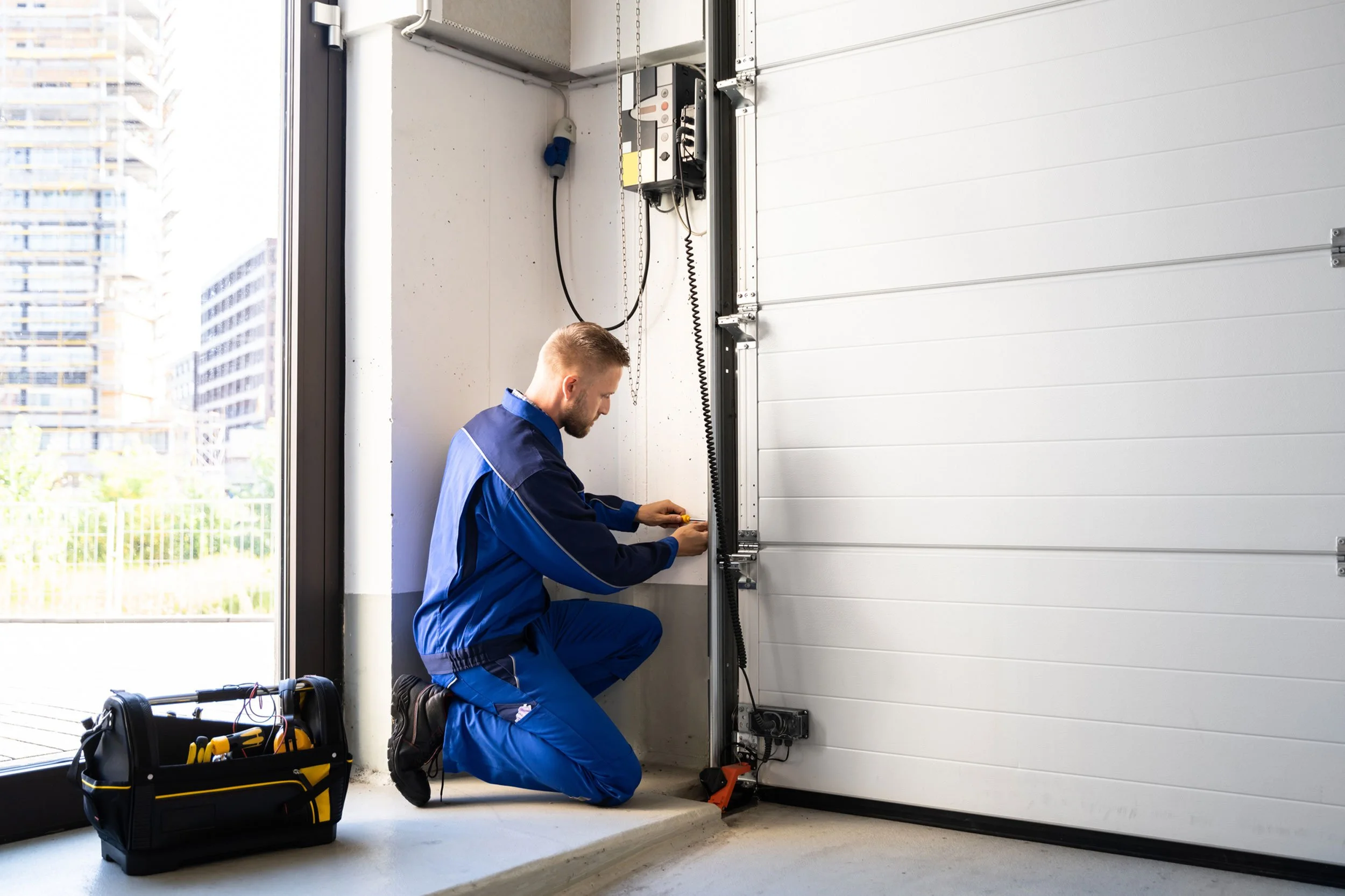
Routine maintenance is key to keeping your garage door in safe working condition. It’s recommended that you inspect the door and its components, such as the springs, cables, rollers, and tracks, at least twice a year. Look for signs of wear, rust, or damage. If any parts appear to be malfunctioning or worn, contact a professional to handle the repairs. Never attempt to fix high-tension parts like springs or cables on your own, as they can be extremely dangerous. If you’re unsure of where to start it’s best to contact your local garage door expert to give your door a tune-up.
Test the Auto-Reverse Feature
The auto-reverse mechanism is a crucial safety feature that prevents the door from closing if it detects an object in its path. To ensure this feature is functioning correctly, place a small object like a block of wood or a roll of paper towels in the door’s path and close it. The door should reverse immediately upon contact with the object. If it doesn’t, you may need to adjust the sensors or contact a professional to inspect and repair the system.
Keep Remote Controls Out of Children’s Reach
Garage door openers are not toys and should never be within reach of young children. Teach your kids about garage door safety and make sure they understand the risks associated with playing near or under a moving garage door. Keep remote controls secured and only allow responsible individuals to operate the door. Many accidents happen when children are unsupervised and have easy access to the garage door opener.
Secure the Emergency Release Handle
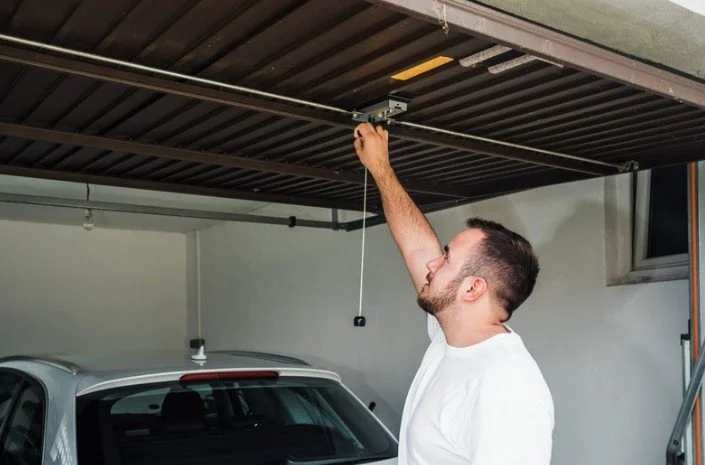
The emergency release handle allows you to manually open and close the garage door in case of power failure. However, it can also pose a security risk if it is easily accessible from the outside. Make sure the handle is secured and positioned properly to prevent potential burglars from exploiting it. Some homeowners install additional locking mechanisms or alarms to enhance garage security further.
Watch for Pinch Points
The joints and hinges of a garage door can create pinch points where fingers can get caught if you’re not careful. Modern garage doors are designed with pinch-resistant features, but it’s still important to be cautious when opening or closing the door. Always use the handles or the remote control to operate the door, and avoid putting your hands near the door’s moving parts.
Frequently Asked Questions About Garage Door Safety
How often should I inspect my garage door for safety issues?
Homeowners should visually inspect the door and its moving parts regularly and test the opener’s safety features at least monthly. Look for worn or frayed cables, damaged rollers, rust, loose hardware, unusual noises, or a door that moves unevenly. If you see damage to springs or cables, do not attempt a repair—contact a qualified garage door technician.overheaddoorco+1
How do I test my garage door’s auto-reverse feature?
With the door fully open, place a 2-by-4 board flat on the floor in the center of the doorway and close the door using the wall button or remote. The door should reverse immediately when it touches the board. If it continues closing or does not reverse, stop using the opener until a professional can inspect the safety-reversing system.doors+1
Why does my garage door reverse before it reaches the floor?
The photo-eye safety sensors may be blocked, dirty, or out of alignment. Check that nothing is obstructing the sensors near the bottom of the tracks, clean the lenses with a soft, dry cloth, and confirm they face one another correctly. If the issue continues, have the sensors and opener evaluated by a professional.doors
Is it safe to repair garage door springs or cables myself?
No. Springs and lift cables are under extreme tension and can cause serious injury if they break or are adjusted incorrectly. Do not attempt to replace, tighten, or repair these components yourself. Arrange professional service if you notice a broken spring, a frayed cable, or a door that feels unusually heavy or unbalanced.overheaddoorco+1
What should I do if my garage door will not open during a power outage?
Use the emergency release only when the garage door is fully closed, if possible, and make sure all people, pets, and vehicles are clear of the opening before disengaging the opener. The door may be very heavy if it is not properly balanced. Do not force it open, and call a garage door professional if it is difficult to lift, moves unevenly, or will not stay in place.
Schedule Professional Inspections Annually
In addition to regular homeowner maintenance, it’s a good idea to have your garage door inspected by a professional at least once a year. A certified technician can perform a thorough inspection, identify potential safety issues, and provide necessary repairs before they become serious problems. Annual inspections will also extend the lifespan of your garage door and keep it operating safely for years to come.
By following these essential garage door safety tips, you can protect your home, family, and property from unnecessary risks. Whether you need regular maintenance, repairs, or new garage door installations, AR Overhead Doors is here to help you keep your garage door functioning safely and smoothly year-round. Whetherit'ss just a question about garage door safety or to book your maintenance today, call the team at AR Overhead Doors today to find out more.
Contact us today for expert advice and service to keep your garage door operating at its best. Call (978) 393-2722