Common Garage Door Problems and How to Fix Them
Garage doors are an essential part of your home’s security and functionality, but like any other piece of equipment, they can experience problems over time. Understanding the common issues that affect garage doors and how to resolve them can save you time, frustration, and money. In this blog, we’ll look at five of the most common garage door problems homeowners face and provide tips on how to fix them.
1. Garage Door Won’t Open or Close Properly
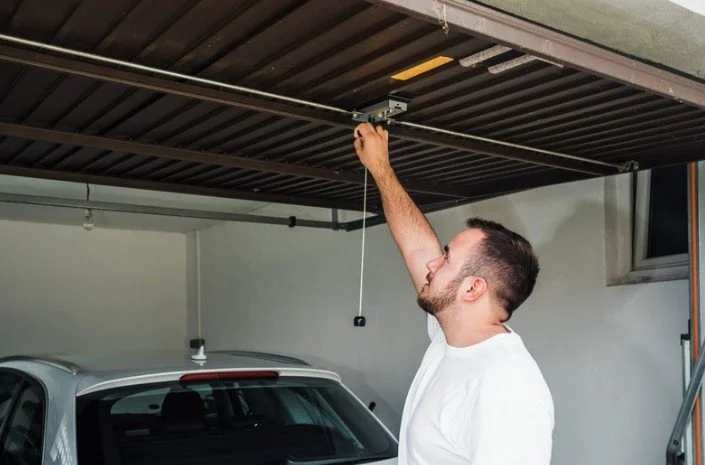
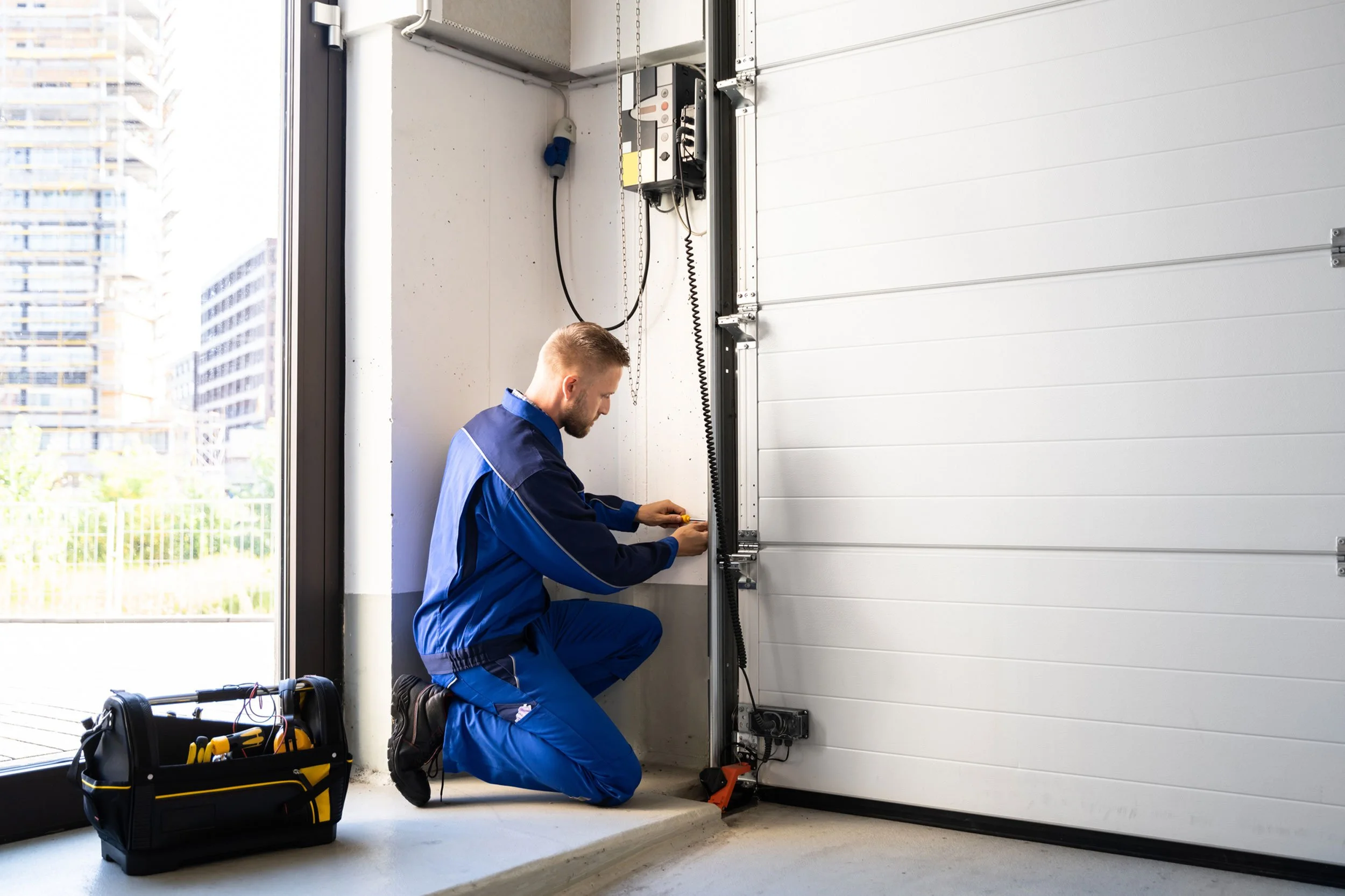
One of the most frequent issues homeowners encounter is a garage door that won’t open or close completely. This can happen for several reasons, including misaligned sensors, track obstructions, or a malfunctioning remote control. First, check to make sure the sensors on either side of the door are properly aligned and free from debris. If the sensors are fine, examine the tracks to see if anything is blocking the door’s movement. Replacing batteries in the remote control may also solve the issue. For more complex problems, like a broken opener motor, it’s best to contact a professional technician.
2. Noisy Garage Door Operation
Another common problem is excessive noise during the door’s operation. Grinding, squeaking, or rattling noises can be caused by worn rollers, loose hardware, or dry metal parts. A quick fix for this issue is to apply a lubricant specifically designed for garage doors to the moving parts like hinges, springs, and rollers. Make sure not to lubricate garage door tracks. Tightening loose bolts and screws can also reduce the noise. If the noise persists, consider replacing worn-out components or contacting a professional for a thorough inspection.
3. Garage Door Reverses Before Closing
If your garage door starts to close but then reverses direction, the problem likely lies with the opener’s safety sensors or the door’s limit settings. The safety sensors are designed to prevent the door from closing on objects in its path, but they can become misaligned or dirty, leading to incorrect readings. Cleaning the sensors and adjusting their position usually solves the problem. If that doesn’t work, you may need to adjust the limit settings on your garage door opener to ensure the door closes completely without reversing. If you have questions about adjusting the limits on your garage door opener contact a professional to have it done quickly.
4. Broken Springs
Springs play a crucial role in the proper functioning of your garage door. They bear the weight of the door and help it open and close smoothly. Over time, these springs can wear out and snap, making the door extremely heavy to lift manually or causing it to stop working altogether. If you suspect a broken spring, it’s essential to contact a professional. Replacing garage door springs is a dangerous task and should not be attempted by anyone except a garage door technician.
5. Garage Door Sticks or Moves Unevenly
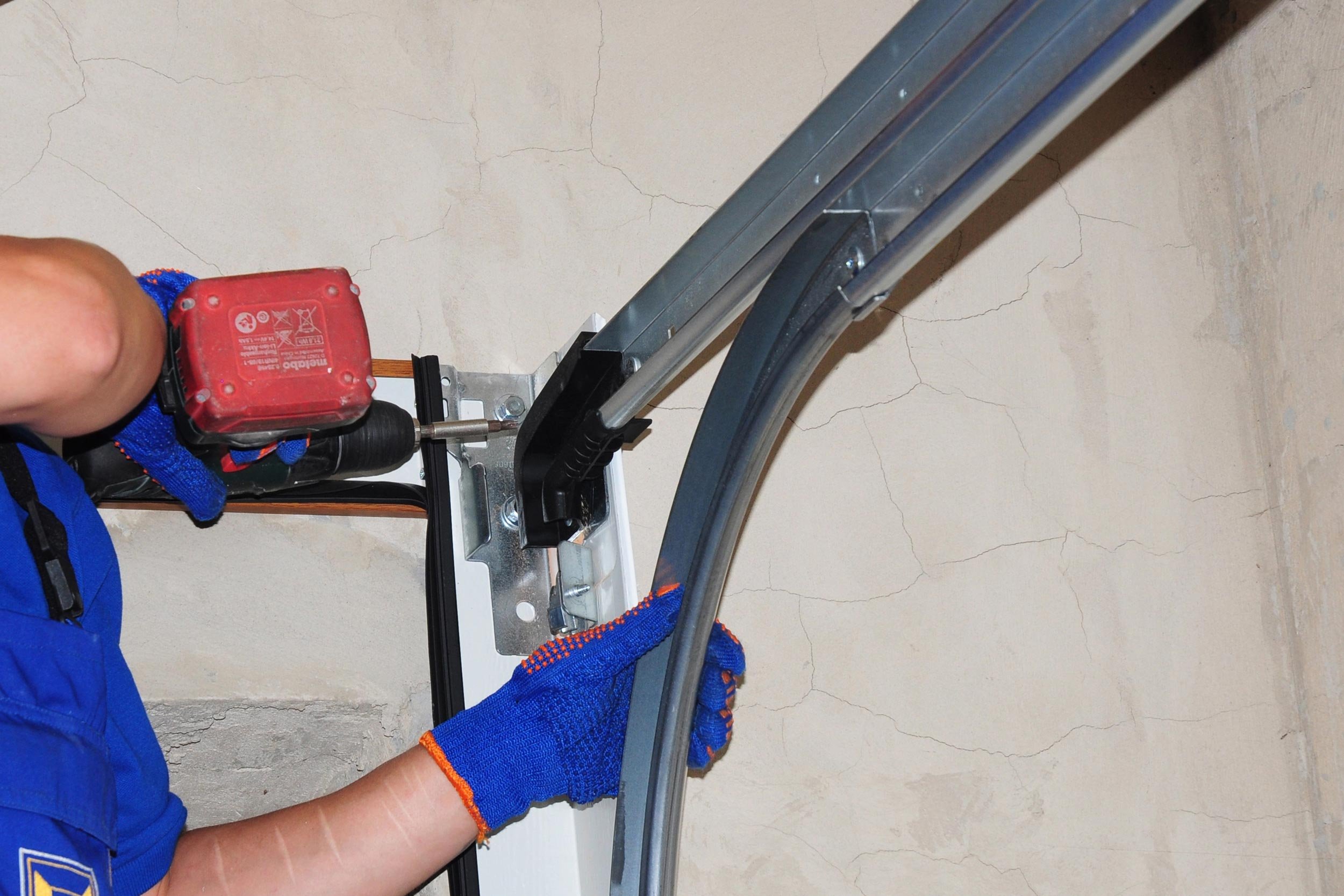
Issues with the tracks or rollers can cause a sticking or unevenly moving garage door. Dirt, rust, and obstructions in the tracks can prevent smooth movement, while worn rollers can cause the door to move unevenly. Cleaning and lubricating the tracks and rollers is a good first step in resolving the problem. However, if the door still sticks or moves unevenly after maintenance, a professional may need to realign or replace parts of the track system.
Frequently Asked Questions About Garage Door Problems
What should I do if my garage door will not open or close?
Start by checking for simple issues, including a blocked sensor, debris in the door’s path, a tripped power source, or dead remote batteries. If the door is stuck, moves only partway, or makes unusual noises, avoid forcing it and contact a garage door technician for an inspection.
Why does my garage door close and then open again?
A garage door that reverses before closing may have dirty or misaligned photo-eye safety sensors, an obstruction in the door’s path, or an opener limit-setting issue. Carefully clean the sensor lenses and make sure they are aligned. If the problem continues, a professional can diagnose the opener and safety system.
Can I fix a broken garage door spring myself?
No. Garage door springs are under significant tension and can cause serious injury if handled improperly. If you suspect a broken spring—often indicated by a very heavy door, a loud bang, or a door that will not open—do not attempt a DIY repair. Call a qualified garage door technician. Industry safety guidance also recommends professional attention for worn or damaged cables and spring-system components.doors+1
Should I lubricate my garage door tracks?
No. Keep the tracks clean and free of dirt, rust, and obstructions, but do not apply grease or lubricant to them. Lubricant can attract dust and grime, which may contribute to sticking. Instead, use a garage-door-specific lubricant sparingly on applicable moving components, such as hinges, springs, and roller bearings or shafts.lowes+1
When should I call a professional for garage door repair?
Call a professional if the door is off its track, has a broken spring or frayed cable, moves unevenly, will not stay open, has damaged hardware, or continues to malfunction after basic checks. A technician can identify the cause and make repairs safely.
Conclusion
Garage doors rely on multiple moving parts to operate safely and reliably. While homeowners can sometimes resolve minor concerns—such as replacing remote batteries, clearing debris, or cleaning photo-eye sensors—problems involving springs, cables, tracks, openers, or an unbalanced door should be handled by a trained professional.
If your garage door is noisy, stuck, uneven, or not operating correctly, AR Overhead Doors provides residential garage door repair throughout Southern New Hampshire and Eastern Massachusetts. Contact our team to schedule an inspection and get your door working properly again.
Contact us today for expert advice and service to keep your garage door operating at its best. Call (978) 393-2722